Mar 22, 2026
How Pancreatic Cancer Screening Actually Works (And Who It’s For)
Looking for a pancreatic cancer screening? Learn why routine tests don't exist, how to assess your risk factors, and early warning signs to watch.

People ask this more often than you’d expect: “Can I just get tested for pancreatic cancer?”
Usually, the question comes after someone hears about a late diagnosis: a friend, a family member, or something they saw online. There’s an assumption that screening must exist somewhere… and that they’ve just missed it.
But pancreatic cancer doesn’t work that way.
Why There Is No Routine Screening for Pancreatic Cancer
Unlike breast or colon cancer, there is no standard screening test for pancreatic cancer for the general population.
That surprises people.
Most assume there must be a blood test or scan they can request “just to check.” But the reality is more complicated.
The pancreas sits deep in the abdomen, and early tumors are often too small to detect reliably. Even more importantly, we don’t yet have a screening test that is accurate enough to use broadly without causing harm like false positives, unnecessary procedures, and anxiety.
What concerns me most is when patients delay evaluation because they’re waiting for a “routine test” that doesn’t exist.
Who Should Be Screened for Pancreatic Cancer?
Screening is not for everyone. It’s reserved for higher-risk individuals.
This typically includes people with:
A strong family history of pancreatic cancer (multiple relatives, especially first-degree)
Known genetic syndromes (such as BRCA mutations or Lynch syndrome)
Certain inherited conditions linked to increased cancer risk
Most people don’t fall into this category.
The pattern I see most often is someone with average risk assuming they should be screened and someone with real risk not realizing they qualify.
That’s why risk assessment matters more than the test itself.
What Pancreatic Cancer Screening Actually Looks Like
When screening is recommended, it’s not a quick lab test.
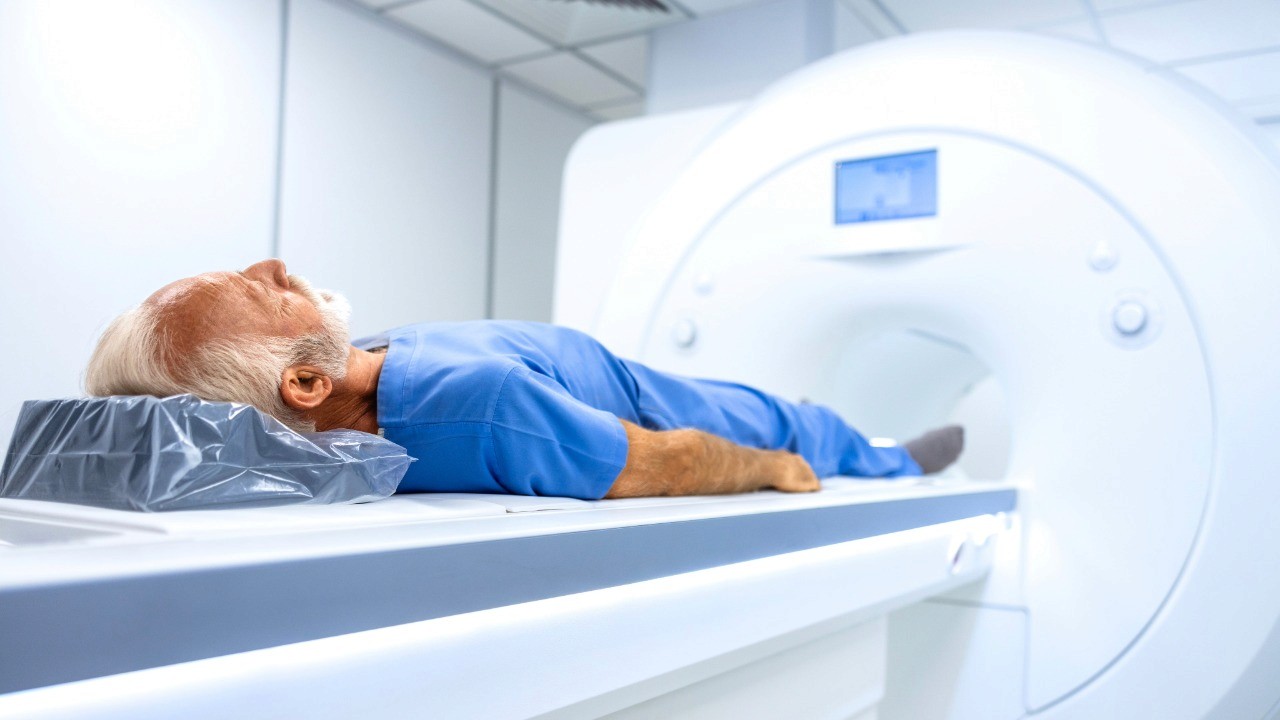
It usually involves advanced imaging, such as:
MRI of the pancreas - used to look for structural changes or small lesions
Endoscopic ultrasound (EUS) – a specialized procedure where an ultrasound probe is passed through the stomach to get close images of the pancreas
These are not casual tests.
They require coordination, expertise, and in the case of endoscopic ultrasound, a procedure with sedation.
Most people assume screening means something simple and repeatable, but pancreatic screening is targeted and intentional.
Where Screening Happens: High-Risk Programs
Pancreatic cancer screening is typically done through specialized high-risk clinics or programs.
These programs:
Carefully evaluate your personal and family history
Determine whether screening is appropriate
Decide when to start and how often to repeat testing
Coordinate imaging and follow-up
This is not something usually managed through routine primary care alone.
One mistake patients make is trying to “self-request” these tests without proper risk evaluation, which often leads to confusion or unnecessary testing.
The Most Important First Step: Talk to Your Doctor
Before any imaging or testing, the most important step is simple:
A detailed conversation about your risk.
That includes:
Family history (who had cancer, at what age)
Personal medical history
Any known genetic testing results
From there, your doctor can determine whether referral to a high-risk program makes sense.
Most people underestimate how much information comes from this step alone.
Why Symptoms Still Matter
Because there’s no routine screening for most people, symptom awareness becomes more important.
This is where delays often happen.
I hear this frequently:
“I thought it was just reflux.”
“I assumed it was something I ate.”
“I didn’t think it could be serious.”
Pancreatic cancer symptoms can be subtle early on, but persistent changes should not be ignored.
These may include:
Unexplained weight loss
New or worsening abdominal or back pain
Changes in appetite
Jaundice (yellowing of the skin or eyes)
Most people assume symptoms have to be severe to matter, but with pancreatic cancer, it’s often the persistence that matters more than the intensity.
A Clinical Perspective on Screening
Screening is one of the few tools in medicine that can actually shift outcomes, but only when used in the right population.
With pancreatic cancer, we’re still limited.
In my view, the most important opportunity right now is not widespread screening. It's identifying who is truly at higher risk and making sure they don’t fall through the cracks.
That’s where screening can make a difference.
What to Do Next
If you’re wondering about pancreatic cancer screening, don’t start with a test.
Start with your history.
Do you have multiple family members with pancreatic cancer?
Has anyone in your family had genetic testing?
Have you ever discussed your risk in detail with a physician?
If the answer is no, that’s the place to begin.
FAQs
Can I request a blood test to screen for pancreatic cancer?
There is currently no reliable blood test used for routine pancreatic cancer screening in the general population. Some markers exist, but they are not accurate enough for early detection.
At what age should pancreatic cancer screening start?
For high-risk individuals, screening often begins around age 50 — or earlier depending on family history. The timing is individualized.
If I have no family history, should I still be screened?
In most cases, no. Screening is generally reserved for those with clearly elevated risk due to genetics or family patterns.
Final Thoughts
Pancreatic cancer screening isn’t something most people can (or should) pursue routinely.
But that doesn’t mean you’re powerless.
Knowing your risk, recognizing patterns, and acting on persistent symptoms. That’s where timing matters.
And in this disease, timing matters more than most people realize.
Disclaimer
This content is for educational purposes only and is not medical advice. Please consult your physician regarding your specific situation.
Next Blog