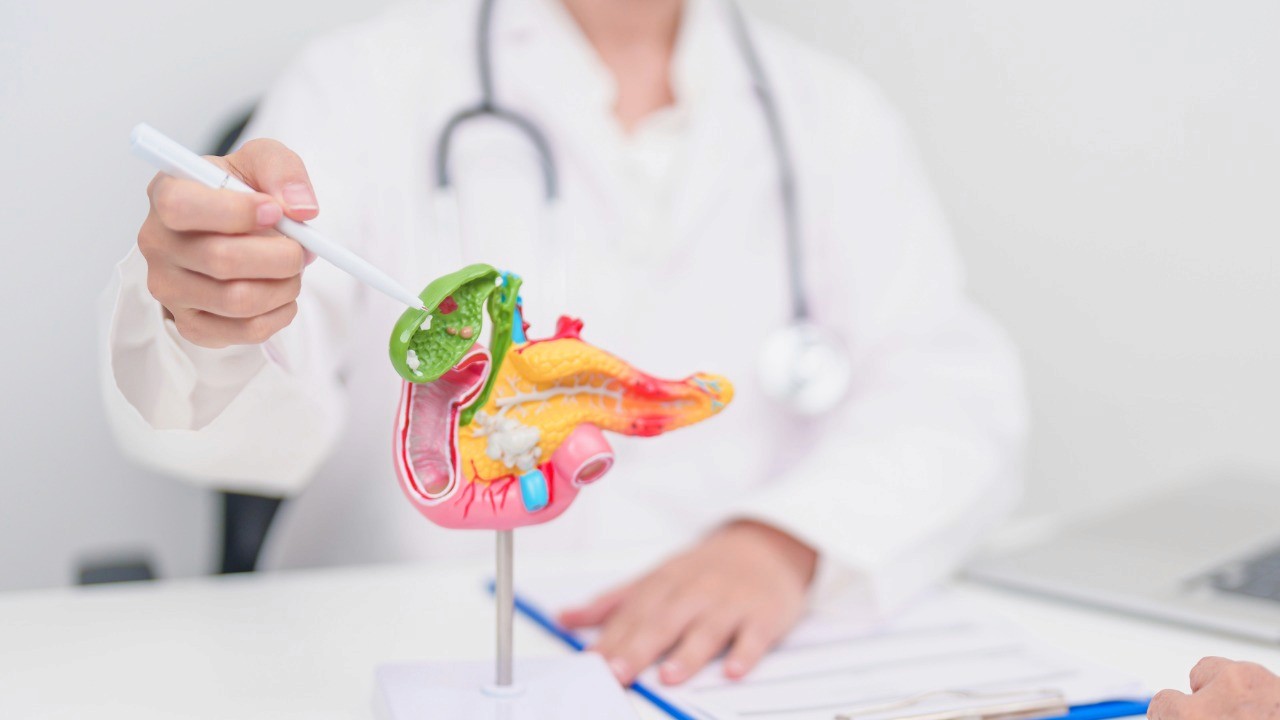
Mar 9, 2026
Full-Body MRI Scans: Do They Really Detect Cancer Early?
Are trendy full-body MRI scans the best way to catch cancer early? Learn the truth about incidental findings, false positives, and evidence-based screening.
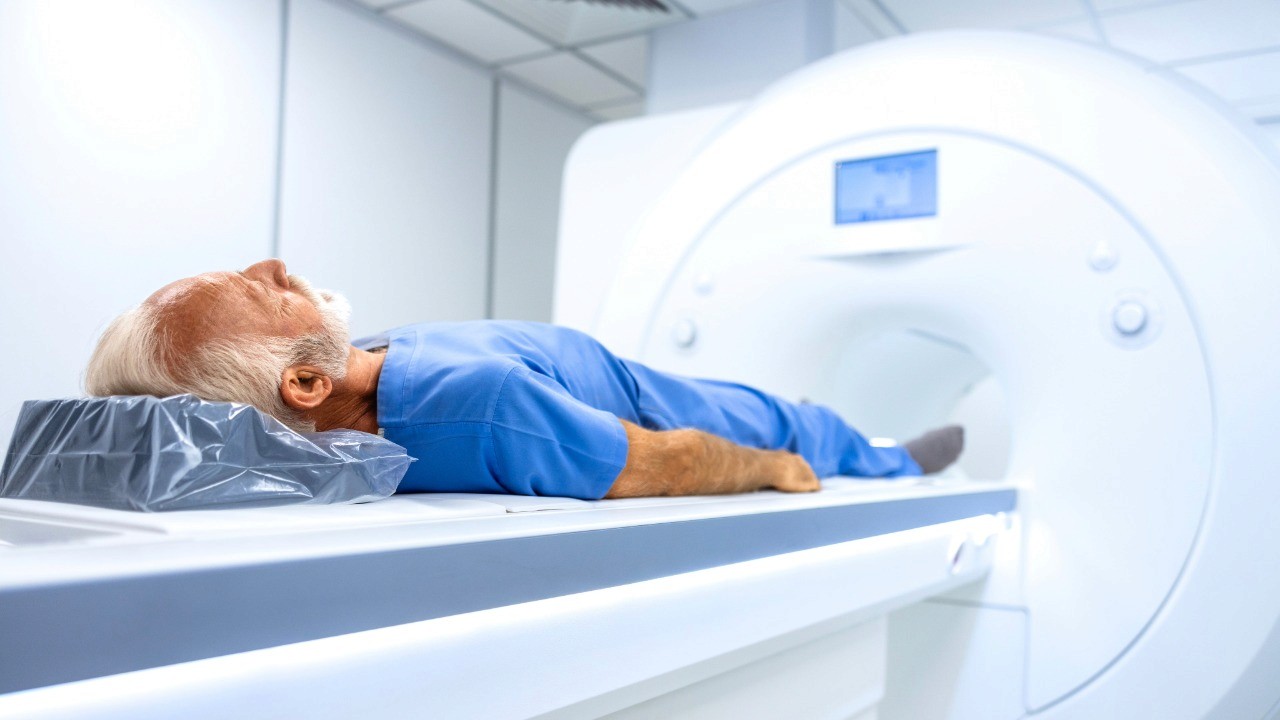
Recently, I’ve had more patients ask me about full-body MRI scans than ever before.
Not because their doctor recommended one.
Because they saw it online.
The question is usually framed the same way:
“Wouldn’t it be better to find cancer before I have symptoms?”
It’s a reasonable question. Early detection saves lives in many cancers. But more testing is not automatically better testing.
And that distinction matters.
What Is a Full-Body MRI Scan?
A full-body MRI scan is exactly what it sounds like. A magnetic resonance imaging study that scans most of the body in a single session.
Typically:
It takes about an hour
Costs around $2,000–$2,500
Is marketed as proactive, preventive screening
Is popular in high-income wellness circles and among celebrities
It’s positioned as a way to “catch cancer early” or detect structural problems before symptoms begin.
That promise is appealing.
The Promise of Early Detection
There is no question that early detection can be powerful.
Screening for colon cancer, cervical cancer, and breast cancer has clearly reduced mortality. That’s not opinion, that’s data.
Full-body MRI companies often emphasize:
Detecting cancer before symptoms appear
Identifying aneurysms or vascular abnormalities
Finding cysts or structural changes
Providing peace of mind if nothing is found
On the surface, it feels proactive.
But what concerns me most is when screening moves faster than evidence.
The Problem With Screening Everyone
Most major medical organizations do not recommend full-body MRI scans for average-risk individuals.
The reason isn’t cost alone.
It’s something called incidental findings.
Incidental Findings: The Hidden Consequence
An incidental finding is something seen on imaging that looks abnormal, but isn’t dangerous.
The pattern I see most often after broad, untargeted imaging is this:
A small cyst
A benign liver spot
A tiny lung nodule
An unclear shadow
None of these are cancer in most cases. But once they’re found, they’re difficult to ignore.
This can lead to:
Additional scans
Specialist referrals
Biopsies
Months of follow-up imaging
Significant anxiety
One mistake patients make is assuming more information always reduces stress. In reality, unclear information often increases it.
Does Full-Body MRI Reduce Cancer Deaths?
This is the critical question.
Right now, there is no strong evidence that full-body MRI screening in healthy, average-risk individuals reduces overall cancer mortality.
That doesn’t mean it never will. Research is ongoing.
But screening works best when it is targeted, evidence-based, and applied to populations where benefit outweighs harm.
In my professional opinion, screening should be strategic, not reactive to trends.
When Might a Full-Body MRI Make Sense?
There are situations where broader imaging can be appropriate.
It may be reasonable for:
Individuals with a strong family history of certain cancers
People with known genetic cancer syndromes
Patients with specific concerning symptoms not yet explained
Higher-risk individuals after discussion with their physician
What concerns me most is when people pursue advanced imaging without understanding their actual risk profile.
Risk stratification should come before radiation or imaging exposure, not after.
The Bigger Conversation About Early Detection
Early detection is powerful.
But screening works when:
The disease is common enough in the population
Early detection changes outcomes
The test has acceptable false-positive rates
The downstream consequences are manageable
Colonoscopy prevents colon cancer.
Pap smears prevent cervical cancer.
Mammograms reduce breast cancer mortality.
Those are examples of screening backed by decades of outcome data.
Full-body MRI has not yet reached that level of evidence for the general population.
More testing does not automatically equal better outcomes. It has to be the right test, for the right person, at the right time.
So Should You Get One?
For most average-risk, asymptomatic individuals, probably not as a routine measure.
But this is not a one-size-fits-all answer.
If you have:
Strong family history
Genetic risk
Specific unresolved medical concerns
Or significant anxiety that has been discussed with your physician
Then a more individualized conversation may be appropriate.
Screening is not about fear.
It’s about probability and impact.
Frequently Asked Questions
Are full-body MRI scans safe?
MRI does not use ionizing radiation, which is reassuring. However, safety is not the only consideration. False positives and downstream testing are major concerns.
Why aren’t medical organizations recommending it?
Because large-scale studies have not yet shown that full-body MRI screening reduces overall cancer mortality in healthy people.
Isn’t finding something early always better?
Not always. Some abnormalities would never cause harm if left alone. Detecting them can lead to unnecessary procedures and anxiety.
What screenings are actually proven to reduce cancer deaths?
Colonoscopy, Pap testing, HPV testing, mammography, and certain lung cancer screening protocols for high-risk smokers have strong evidence behind them.
Final Perspective
I understand the appeal.
The idea of “seeing everything” feels reassuring.
But medicine is not about scanning more. It's about scanning wisely.
Early detection saves lives when it’s targeted and evidence-based. When it’s broad and untargeted, it can sometimes create more harm than benefit.
Before investing in a full-body MRI scan, it’s worth asking a more important question:
What screening strategy is actually proven to reduce my cancer risk?
That’s where the real power is.
Disclaimer
This content is for educational purposes only and is not medical advice. Please consult your physician regarding your specific situation.
Next Blog