Mar 3, 2026
Early Signs of Pancreatic Cancer: Symptoms You Shouldn’t Ignore
Early signs of pancreatic cancer can be subtle. Learn the symptoms you shouldn’t ignore, who is high risk, and when imaging may be needed.
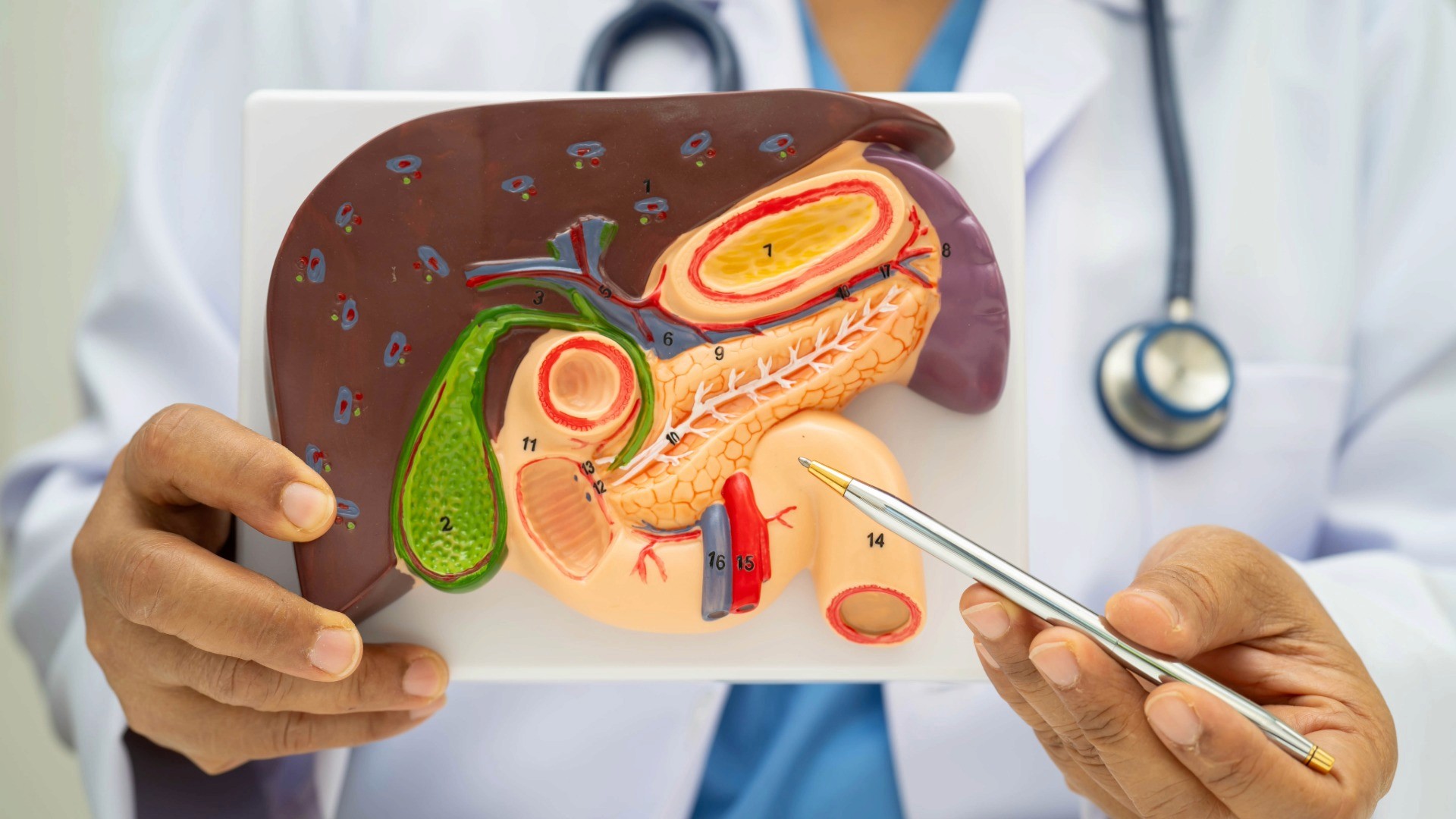
Pancreatic cancer rarely announces itself loudly.
It often begins with subtle changes. Symptoms that are easy to dismiss, misattribute, or push aside.
That’s what makes understanding the early signs of pancreatic cancer so important.
As a radiation oncologist, I treat patients with advanced cancers every week. Many tell me the same thing:
“I didn’t think it was serious.”
This article is designed to give you clarity; not fear. We’ll walk through the symptoms, why they happen, who is at higher risk, and when further testing such as imaging may be needed.
1. Unexplained Weight Loss
Unintentional weight loss is one of the most common early signs of pancreatic cancer.
This is not:
A few pounds after dieting
Weight loss from increased exercise
Temporary appetite changes
Concerning weight loss is:
10 or more pounds without trying
A noticeable drop in muscle mass
Loss of appetite that persists
Why it happens
The pancreas plays a critical role in digestion. It produces enzymes that help break down fats and nutrients.
When a tumor interferes with this function, the body cannot properly absorb nutrients. Over time, this leads to weight loss and weakness even if eating habits have not changed significantly.
If weight loss is persistent and unexplained, it warrants evaluation.
2. Persistent Upper Abdominal or Back Pain
Pancreatic tumors often grow silently in the upper abdomen.
As they enlarge, they can press on surrounding nerves and structures.
This can cause:
Dull, persistent pain in the upper abdomen
Pain that radiates to the mid-back
Discomfort that worsens after eating
Pain that is worse when lying flat
This is not typically sharp, sudden pain. It’s often described as a deep, aching pressure.
Why it happens
The pancreas sits deep in the abdomen, near major blood vessels and nerve bundles.
When a mass grows, it can irritate these nerves. That irritation is what produces the characteristic back pain many patients describe.
Persistent pain lasting more than a few weeks, especially if it’s worsening, should not be ignored.
3. Jaundice (Yellowing of Skin or Eyes)
Jaundice is one of the more visible early signs of pancreatic cancer.
It may appear as:
Yellowing of the skin
Yellowing of the whites of the eyes
Dark urine
Pale or clay-colored stools
Itchy skin
Why it happens
The pancreas is located near the bile duct.
If a tumor develops in the head of the pancreas, it can block the bile duct. When bile cannot drain properly, bilirubin builds up in the bloodstream.
That buildup causes jaundice.
Jaundice is not subtle and it always requires urgent medical evaluation.
4. New-Onset Diabetes
One of the more overlooked early signs of pancreatic cancer is new-onset diabetes, particularly in adults over age 50.
Red flags include:
Sudden diagnosis of diabetes without weight gain
Worsening blood sugar levels without clear cause
Diabetes accompanied by weight loss
Why it happens
The pancreas produces insulin.
If a tumor disrupts insulin-producing cells, blood sugar regulation becomes impaired.
Most cases of new diabetes are not caused by cancer. However, when diabetes appears suddenly in someone without typical risk factors,especially with other symptoms. Further evaluation may be appropriate.
5. Digestive Changes
Some patients notice:
Greasy or floating stools
Frequent bloating
Nausea after meals
Feeling full quickly
These symptoms can occur when pancreatic enzyme production declines.
Because they overlap with many common digestive issues, they are often dismissed.
The key is persistence and progression.
Why These Symptoms Occur
Understanding the biology helps make sense of the pattern.
The pancreas has two primary roles:
Digestive function – Producing enzymes that break down fats and nutrients
Hormonal function – Producing insulin to regulate blood sugar
When cancer develops:
Enzyme production may decline → malabsorption and weight loss
Insulin production may be disrupted → new-onset diabetes
Tumor growth may compress nearby structures → pain
Bile duct obstruction may occur → jaundice
These symptoms are not random. They reflect the anatomy of the pancreas.
Who Is at Higher Risk?
Certain individuals have a higher baseline risk of pancreatic cancer.
Risk factors include:
Age over 60
Smoking history
Chronic pancreatitis
Family history of pancreatic cancer
Certain inherited genetic mutations (such as BRCA2)
Long-standing diabetes
Obesity
Recently, there has been increasing attention on younger adults developing pancreatic cancer. I discussed this emerging pattern in a recent media feature, where I weighed in on the silent rise of pancreatic cancer in younger adults.
While pancreatic cancer remains more common in older adults, awareness across age groups is growing.
When Is Imaging Needed?
Not every symptom requires immediate CT scans.
However, imaging may be appropriate when:
Symptoms persist beyond a few weeks
Weight loss is unexplained
Jaundice develops
New-onset diabetes occurs with concerning features
Pain is progressive or severe
Common imaging tests include:
CT scan of the abdomen
MRI
Endoscopic ultrasound
The decision to pursue imaging should be made in consultation with a physician who can assess the full clinical picture.
When to See a Doctor
This section is critical.
You should seek medical evaluation if you experience:
Unexplained weight loss
Persistent abdominal or back pain lasting more than 2–3 weeks
Any signs of jaundice
New diabetes after age 50 with no clear explanation
Digestive changes that are worsening
Timing matters.
Pancreatic cancer is challenging because it often presents late. Early evaluation of persistent symptoms gives you the best chance of identifying serious conditions sooner whether cancer or another treatable issue.
Most symptoms will turn out to be something benign.
But persistent, progressive changes deserve attention.
Frequently Asked Questions About Early Signs of Pancreatic Cancer
Is pancreatic cancer common in younger adults?
Pancreatic cancer is still more common in adults over 60.
However, rates in younger adults have been receiving increased attention. While the overall risk remains lower under age 50, persistent symptoms (regardless of age) should not be dismissed automatically.
Age lowers probability. It does not eliminate risk.
Can back pain alone be a sign of pancreatic cancer?
Back pain is extremely common and is most often related to muscle strain, posture, or spine issues.
However, pancreatic cancer–related back pain is typically:
Persistent
Deep and dull in character
Located in the mid-back
Associated with other symptoms like weight loss or digestive changes
Isolated back pain without other concerning features is unlikely to be pancreatic cancer. But persistent, progressive pain deserves evaluation.
Does new-onset diabetes always mean pancreatic cancer?
No.
The vast majority of new diabetes cases are not caused by cancer.
However, new-onset diabetes after age 50, especially when accompanied by unexplained weight loss or abdominal discomfort, may warrant further medical discussion.
Context matters.
How quickly does pancreatic cancer develop?
Pancreatic cancer often develops silently over time.
By the time symptoms appear, the tumor may already be advanced. That is why recognizing early warning signs (and acting on persistent changes) is important.
The goal is not panic.
It is timely evaluation.
If my symptoms are mild, should I still see a doctor?
If symptoms are:
Persistent (lasting more than 2–3 weeks)
Progressive
Accompanied by weight loss or jaundice
Yes, medical evaluation is appropriate.
Many causes will be benign.
But persistent change should never be ignored.
Trusted Resources
For further reading, I recommend:
These organizations provide evidence-based information and screening updates.
Final Thoughts
Pancreatic cancer is often described as “silent.”
But in reality, the body frequently gives signals.
They are just easy to overlook.
If you notice persistent changes — especially weight loss, jaundice, or ongoing abdominal or back pain — don’t dismiss them.
Evaluation does not mean diagnosis.
It means clarity.
And clarity is always better than uncertainty.
If you want more clear, evidence-based cancer education, join my newsletter. I send one focused, practical insight twice a month, designed for patients and families who want to understand risk without fear.
Disclaimer:
This content is for educational purposes only and is not medical advice. Please consult your physician regarding your specific situation.
Next Blog